By Discount Drain & Sewer Cleaning Editorial Team · Updated 2026-08-19
Preventive drain and sewer care combines simple habits with professional checkups: use drain strainers to catch debris, avoid flushing grease or problematic items, and schedule routine cleaning before clogs form. Discount Drain & Sewer Cleaning delivers fast, budget-friendly service across Milwaukee, Waukesha, and Racine counties, catching small issues before they become costly sewer line emergencies.
Key Takeaways
- Regular drain maintenance prevents clogs and keeps water flowing smoothly through your plumbing system
- Install drain strainers and avoid flushing problematic items to reduce debris buildup
- DIY tools like plungers and drain snakes clear most common clogs effectively
- Emergency drain cleaning costs increase when preventive maintenance gets neglected or delayed
What Do You Need Before Starting Drain Maintenance?
A basic tool kit and a clear understanding of your pipes come before any drain project. Skip this prep, and you risk pushing a clog deeper or missing warning signs that lead to a costly sewer repair. Successful preventive drain maintenance in Milwaukee starts with knowing what runs through your lines and which tools handle the job safely.
Your sewer and drain lines carry water, waste, and debris away from every sink, tub, and toilet in your home. Knowing this helps you see why fats, oils, grease, and starch pose such a threat. These substances collect and solidify inside the curves of your pipes over time, narrowing the passage until water backs up.
What tools do I actually need?
Grab a plunger and a drain snake before you begin. These two basic tools clear many minor clogs without a technician visit, saving you both time and money. Keep them on hand year-round, not just when trouble starts.
Does maintenance really need to cost a lot?
No. Reliable drain care should never carry hidden costs. Budget for honest, affordable upkeep instead of bracing for surprise repair bills.
Before you start, gather:
- A plunger sized for your drain type
- A flexible drain snake
- A flashlight for inspecting visible pipe sections
- A notepad to track slow drains or odors over time
This groundwork sets up every homeowner for smoother, cheaper maintenance ahead.
What Are The First Steps To Prevent Clogs?
Four simple actions protect your pipes long before a clog ever forms. Skip them, and you risk a backed-up sink, a flooded basement, or a sewer line repair that drains your savings account instead of your drain. Start with what goes into your pipes, then build outward toward whole-home care.
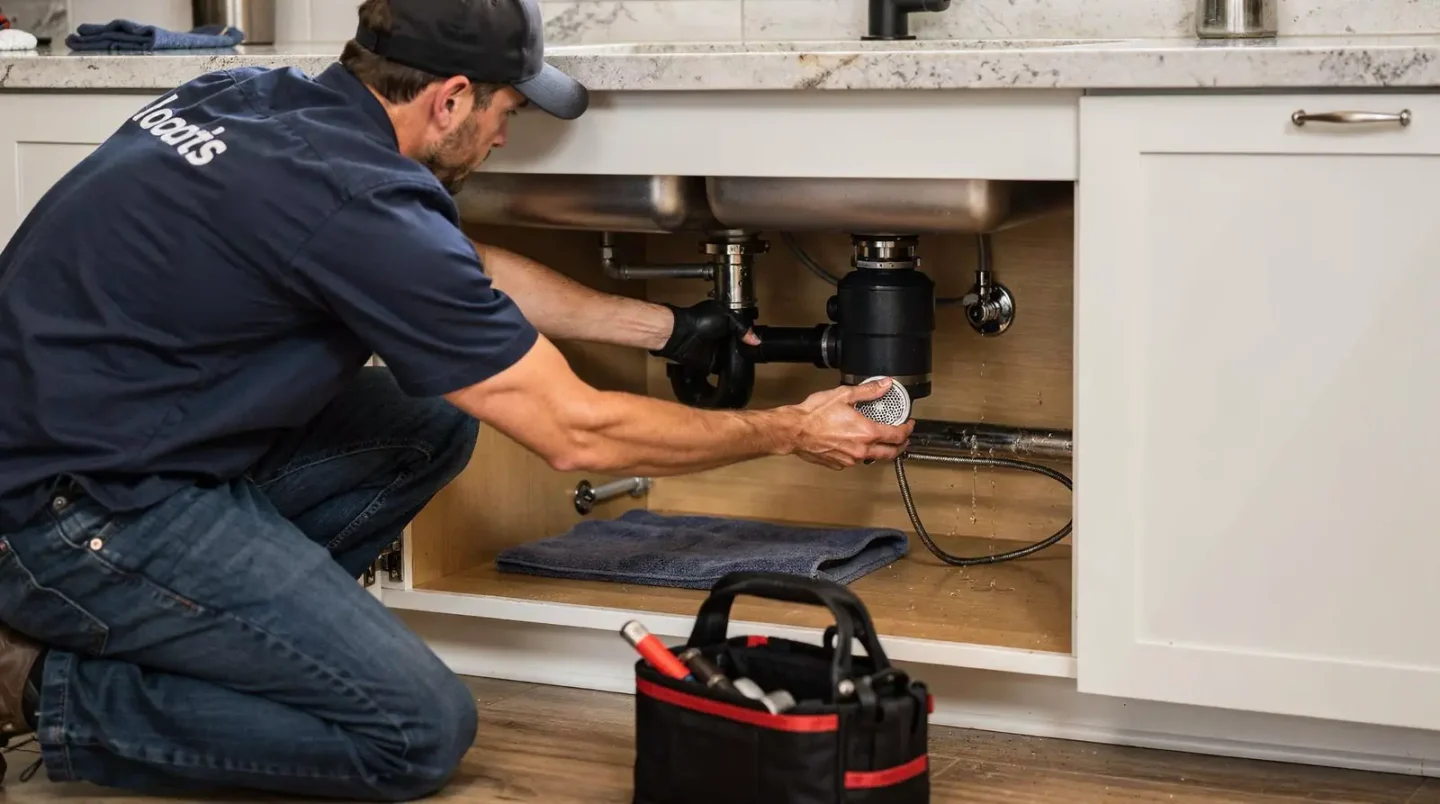
- Stop flushing problem items. Grease, wipes, coffee grounds, and food scraps do not belong in your drains, no matter how small they seem going down.
- Install drain strainers in every sink, tub, and shower. These catch hair and debris before it ever collects inside the pipe, which is far easier than digging it out later.
- Schedule regular professional cleaning. A trained crew clears blockages, restores proper flow, and stops messy backups before they start — work a plunger simply cannot match.
- Watch your water supply lines, too. Preventive care of your preventive drain maintenance milwaukee routine isn’t only about wastewater; the pipes bringing fresh water into your home deserve the same attention.
How Often Should You Have Drains Professionally Cleaned?
Property managers and homeowners alike benefit from a consistent schedule rather than waiting for a crisis. An annual drain inspection mke checkup catches slow-building buildup while it’s still minor and inexpensive to fix. Waiting until water backs into your tub means you’re already paying emergency rates.
What If a Clog Happens Anyway?
Even careful homeowners get caught off guard sometimes. A fast, prompt response gets water moving again quickly and limits the damage spreading through your walls or flooring.
For landlords and building owners juggling multiple units, one of the smartest moves is enrolling in commercial maintenance plans milwaukee offers, which bundle inspections and cleanings so nothing slips through the cracks. Consistency beats crisis management every time.
How Often Should You Schedule A Drain Inspection?
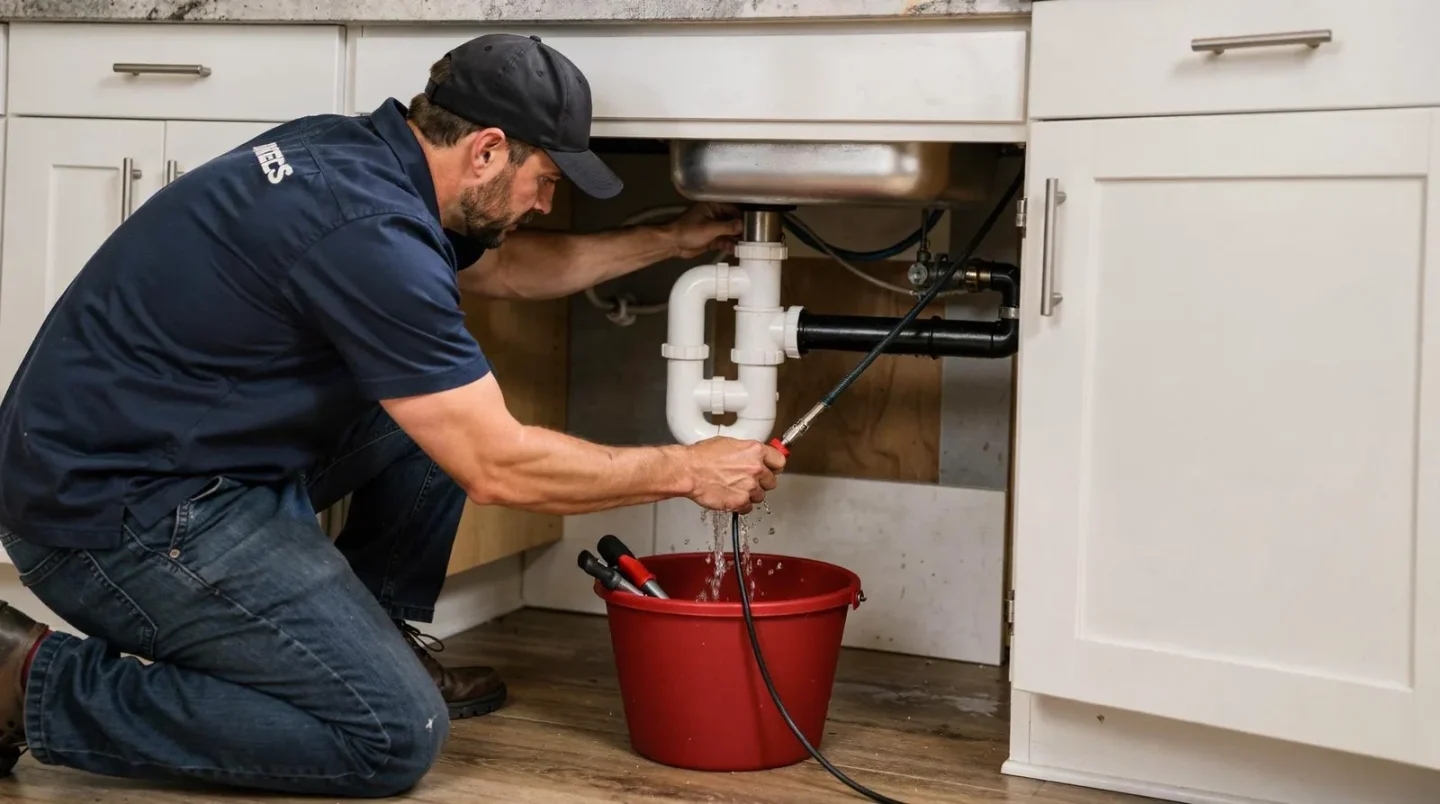
Most homes and small businesses need a professional look at their pipes once a year, with a closer check every few months if your property sees heavy use. An annual drain inspection in the Milwaukee area catches the small stuff before it turns into a weekend emergency. Waiting too long is the real risk here — skipping inspections and cleanings lets minor buildup quietly grow into major backups, burst pipes, or a flooded basement.
Set up your inspection schedule with these steps:
- Book a baseline inspection now if you can’t remember your last one.
- Add a recurring reminder for the same season every year going forward.
- Increase frequency to twice yearly if your household runs a lot of laundry, has older cast-iron piping, or includes mature trees near the sewer line.
- Ask your technician to flag any warning signs — slow drains, gurgling, or recurring odors — for follow-up.
- Keep records of each visit so you can track changes over time.
Is inspection cheaper than waiting for a problem?
Yes. Routine, planned maintenance saves homeowners thousands of dollars compared to paying for emergency sewer line repairs or a full line replacement later. A short visit now costs far less than digging up a yard or rerouting plumbing after a collapse.
What does a proper inspection cover?
A trained team brings the right tools and experience to check everything from clogged sinks to deeper sewer line issues in one visit. Professional plumbing service also confirms that water keeps moving safely into your property, not just out of it — a step that belongs in any complete annual check.
Property managers overseeing multiple units benefit even more from consistency. Structured commercial maintenance plans in Milwaukee give landlords a predictable schedule instead of reactive, costly surprises.
What Maintenance Plan Fits Your Milwaukee Property?
Property size and water usage determine the right care schedule. A single-family home with light water use needs less frequent attention than a busy restaurant kitchen or a multi-unit apartment building. High volumes of wastewater strain drainage systems every day. That strain hits busy homes and commercial properties alike, so scheduled care matters more as usage climbs.
Your daily habits shape your risk level too. Grease poured down a kitchen sink, food scraps rinsed off plates, and wipes flushed instead of tossed all rank among the top causes of drain emergencies in busy properties. Think about what actually goes down your drains before choosing a maintenance frequency.
How often should homeowners schedule drain maintenance?
Most single-family homes benefit from a preventive drain maintenance Milwaukee approach built around routine checkups rather than emergency calls. Pair that with an annual drain inspection MKE service to catch tree root intrusion, pipe corrosion, or slow buildup before it turns into a backed-up basement.
What plan works best for commercial properties?
Restaurants, apartment complexes, and retail spaces need something sturdier. Commercial maintenance plans Milwaukee owners choose typically involve more frequent cleanings. Grease and food waste accumulate faster in high-traffic kitchens and shared bathrooms.
Here’s a quick way to think about frequency:
Whatever plan fits, expect dependable service, with the right tools and experience on hand whether the job is a single clogged sink or a full sewer line issue. Property owners across Milwaukee, Waukesha, and Racine counties can count on area-wide support, priced honestly so recurring care never turns into a surprise bill.
What Mistakes Should You Avoid Along The Way?
Three habits sabotage even the best preventive drain maintenance milwaukee routine. Skipping warning signs tops the list, followed by DIY overkill and ignoring your water supply lines. Each mistake costs you time, money, or both.
Why does ignoring early warning signs cause bigger problems?
Slow drains, gurgling pipes, and faint odors are your system asking for help. Ignore them and you skip the window to clear blockages, restore proper flow, and stop a messy backup before it starts. By the time water backs up onto your floor, a simple fix has turned into an emergency call.
Should you keep plunging if a clog won’t clear?
No. Persistent or severe drain issues always call for a professional plumber rather than repeated DIY attempts that waste your afternoon. Snaking the same clog five times in one week is a signal, not a solution. Bring in help before frustration turns into a bigger repair bill.
Beyond drains themselves, many homeowners forget the other half of their plumbing. Overlooking the supply side is a common mistake, since keeping water moving safely into your property matters just as much as clearing what flows out. Avoid these missteps by:
- Scheduling annual drain inspection MKE service instead of waiting for symptoms
- Calling a professional at the first sign of recurring slow drains
- Treating supply-line health as part of your maintenance routine, not an afterthought
- Considering commercial maintenance plans Milwaukee property owners rely on for consistent, scheduled care
Small oversights compound fast. Catching them early keeps your plumbing dependable year-round.
FAQ
What tools do you need for basic drain maintenance?
Gather a plunger sized for your drain type, a flexible drain snake, a flashlight for inspecting visible pipe sections, and a notepad to track slow drains or odors over time.
What household items should you avoid putting down drains?
Keep grease, wipes, coffee grounds, and food scraps out of your drains. These substances collect and solidify inside pipe curves, narrowing the passage until water backs up.
Does preventive drain maintenance only cover wastewater pipes?
No, preventive care extends beyond wastewater lines to the pipes bringing fresh water into your home, which deserve the same ongoing attention and inspection.
Conclusion
In closing, preventive maintenance for your drains and sewer lines is one of the smartest investments you can make for your home or business. By staying ahead of clogs, buildup, and damage through regular care, you protect your property from costly emergencies and keep water flowing smoothly where it belongs. We’re here to help you maintain that peace of mind with straightforward, dependable service you can trust.