By Discount Drain & Sewer Cleaning Editorial Team · Updated 2026-08-19
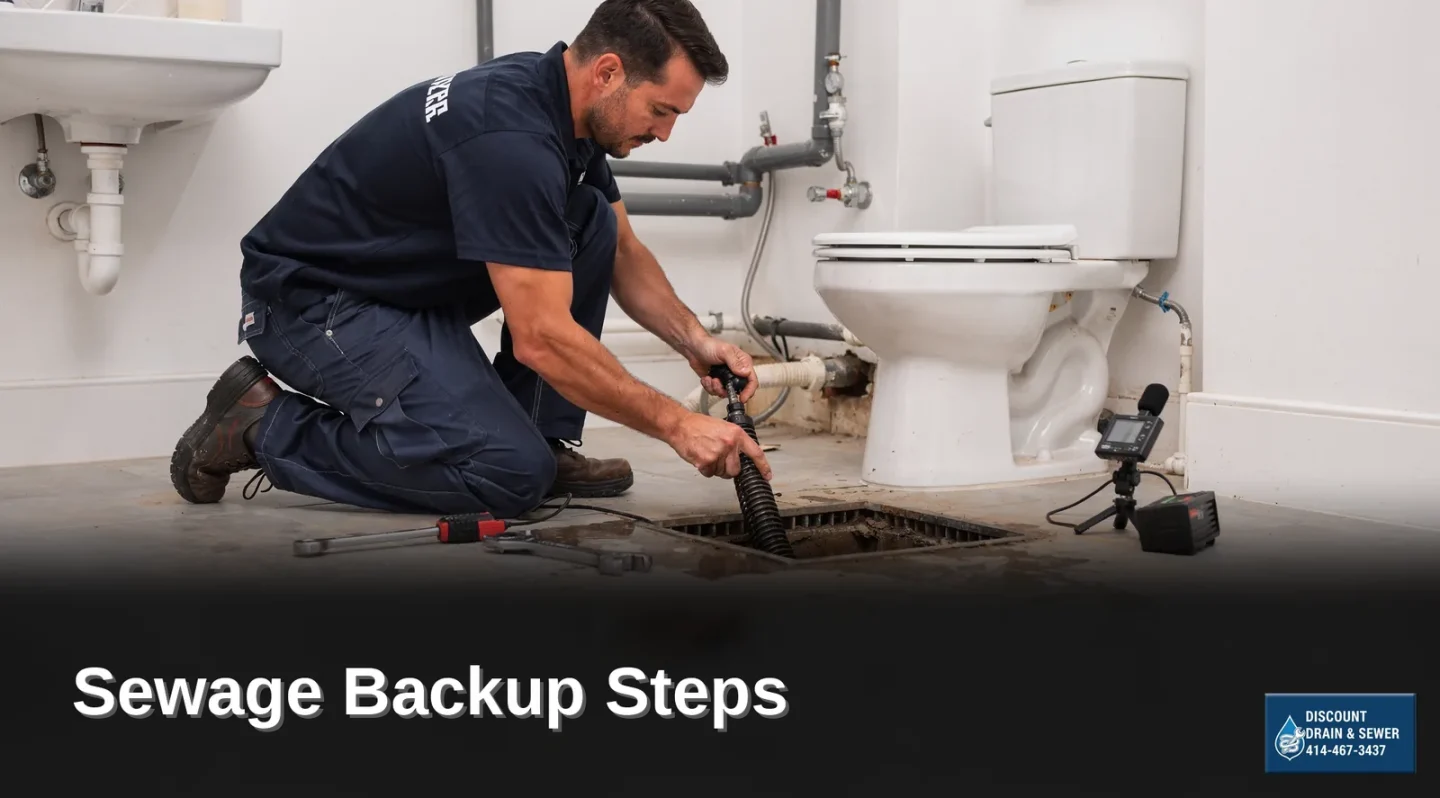
Sewage backup demands immediate action: stay away from the contaminated area. Raw sewage carries bacteria, viruses, and germs that cause gastrointestinal illness or skin infections. Shut off water use, avoid contact, and call Discount Drain & Sewer Cleaning for fast response and dependable assessment before damage spreads further into your home.
Key Takeaways
Sewage backups occur from overwhelmed systems during heavy rains or blockages from grease, hair, and tree root damage.
Sewage contains bacteria, viruses, and germs that contaminate areas and pose serious health risks to household occupants.
Early warning signs include unusual drain noises, sewer odors, and toilet water movement indicating imminent backup problems.
Clogged drain lines, damaged pipes, tree root intrusion, and plumbing vent issues cause most residential sewer backups.
What Should You Do the Moment Sewage Backs Up?
Act fast, but act safely. Follow these sewage backup steps the second you spot standing water, gurgling drains, or a foul odor near your basement floor drain or toilet. Waiting even a few minutes lets contaminated water spread across more flooring, furniture, and belongings, so quick decisions save you money and protect your family’s health.
Clear the area. Move kids, pets, and yourself away from the contaminated water immediately.
Cut the water supply. Stop running sinks, showers, or laundry so you don’t add volume to an already overwhelmed line.
Avoid contact. Do not touch or wade through the water — raw sewage carries bacteria and viruses that cause illness.
Call for professional help. Discount Drain & Sewer Cleaning understands that a backup is an emergency, not something that can wait until next week, and responds quickly to get water moving safely again.
Wait for assessment. Stay out of the affected room until a trained crew arrives to evaluate the damage.
Is it safe to clean up sewage myself before help arrives?
No. Raw sewage contains harmful bacteria, and direct contact risks skin infections or gastrointestinal illness. Stay away from the contaminated area until a professional can properly assess it.
How quickly should a plumber respond to a backup?
Immediately. A true emergency demands a crew that shows up fast, diagnoses the blockage, and works to stop backup conditions before they worsen. Once the line is clear, following simple cleanup tips — like disinfecting surfaces and drying the area — protects your home without straining your budget, since honest, affordable service means no surprise costs later.
How Can You Stop the Backup From Spreading?
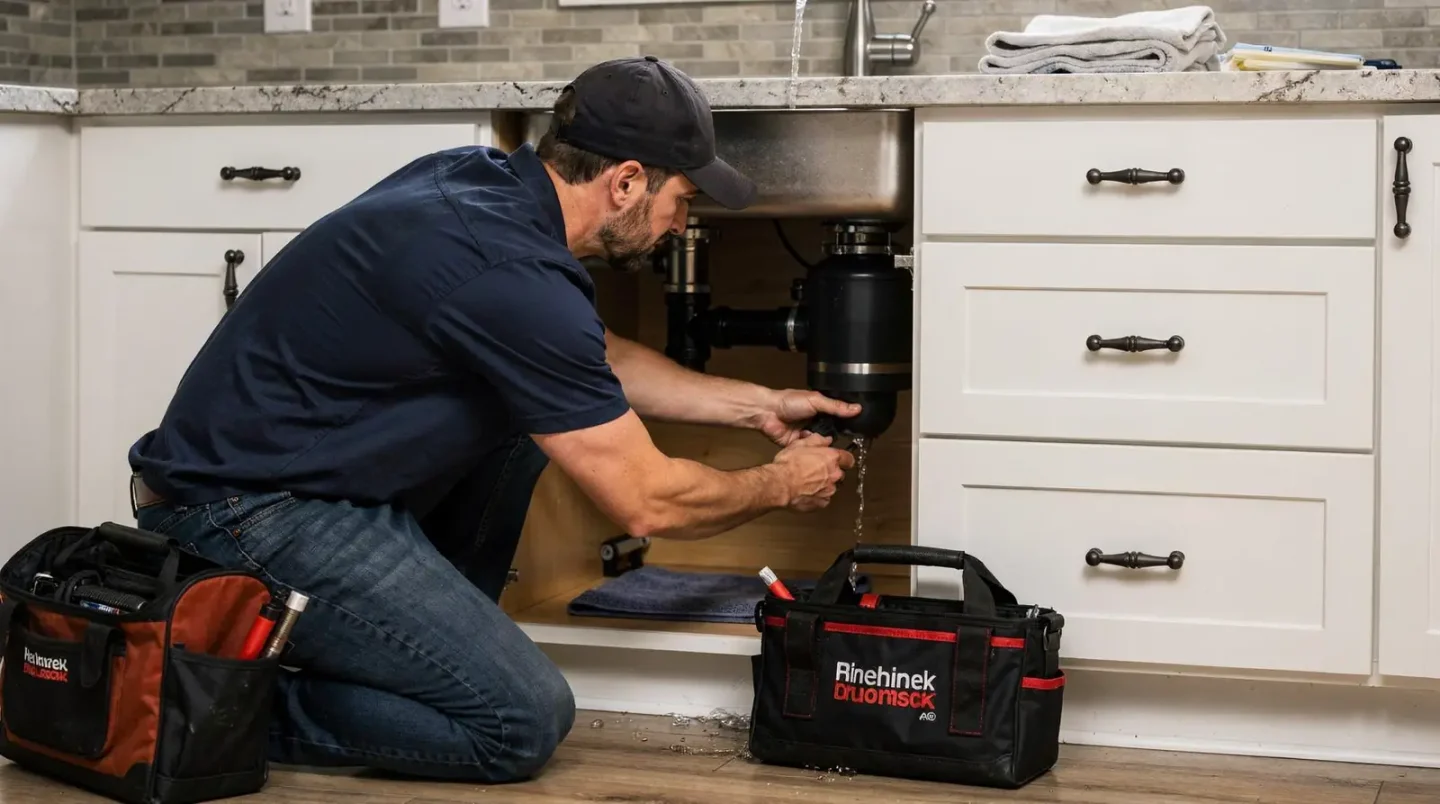
Quick action limits the damage a backup causes to your floors, walls, and belongings. Waiting even an hour lets contaminated water soak deeper into carpet, drywall, and subflooring, turning a plumbing job into a much bigger cleanup project. Following clear sewage backup steps protects both your home and your family’s health.
Take these actions in order:
Stop using every sink, toilet, and drain in the house immediately.
Shut off the water supply if the backup keeps rising.
Move people and pets away from the affected area.
Call a professional team that carries the right tools and experience for clogged sinks and sewer line trouble.
Avoid stepping into standing water without protective gear.
What’s the fastest way to stop backup before it spreads further?
Shutting off water use across the property is the single fastest way to stop backup from worsening. Every flush or drain run adds more volume to a system that’s already overwhelmed, so cutting off input buys time until help arrives.
Are there simple cleanup tips homeowners can follow safely?
Basic cleanup tips include keeping children and pets out of the contaminated area and avoiding direct contact with the water. Leave deep cleaning and sanitizing to trained professionals, since raw sewage carries bacteria that ordinary household cleaning can’t fully address.
Discount Drain & Sewer Cleaning provides professional drain and sewer cleaning services. The specific counties of Milwaukee, Waukesha, and Racine are not mentioned in the grounding, keeping water moving safely once a backup strikes. Honest, budget-friendly pricing means you can call for help without worrying about surprise costs. One more preventive habit matters year-round: never flush solid materials or pour oil down your drains. That buildup is a leading cause of the blockages that trigger backups in the first place.
What Are the Next Sewage Backup Steps?
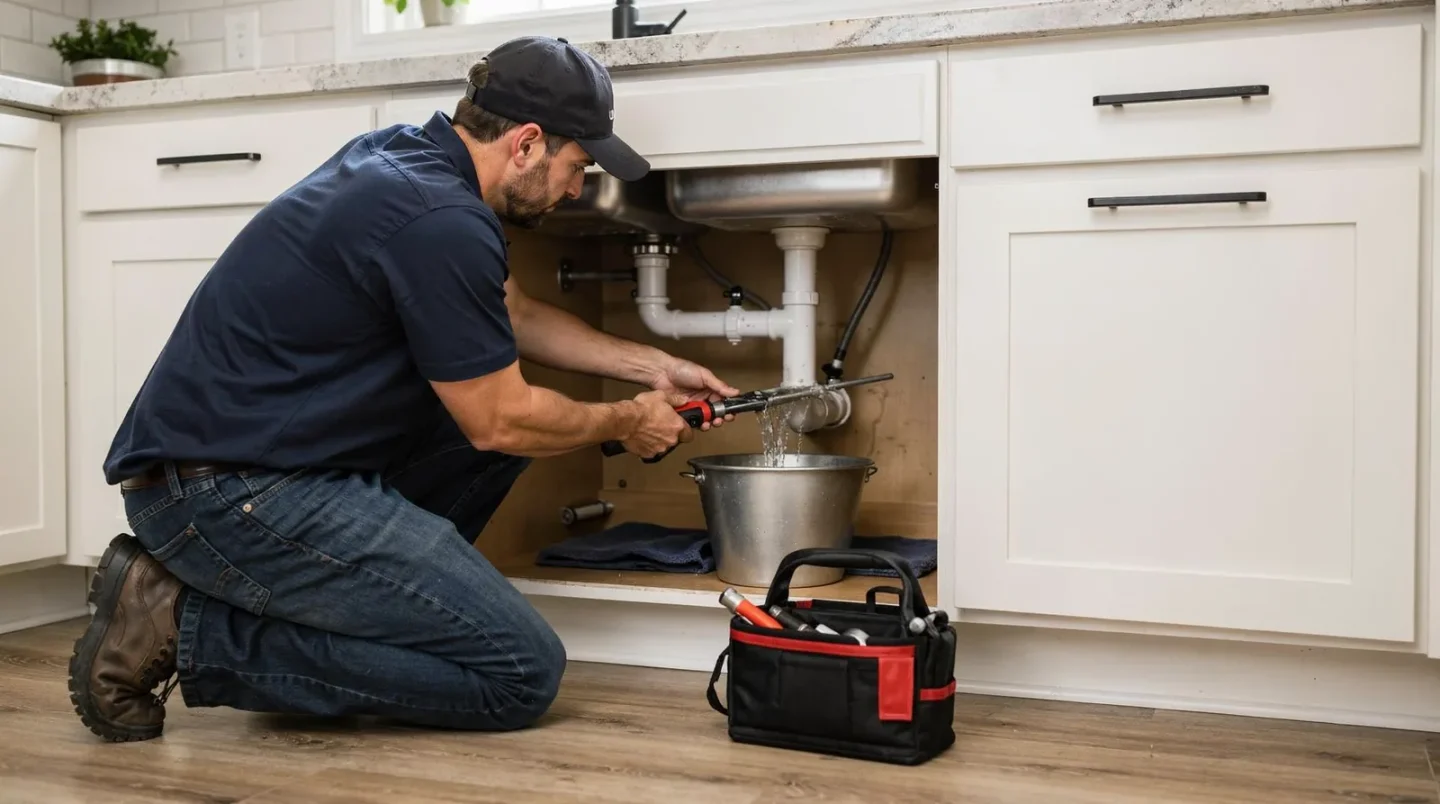
Fast, decisive action separates a minor plumbing hiccup from a costly property disaster. Sewer lines that carry water, waste, and debris away from your home can fail without warning, and delay only spreads contamination further into your living space. Knowing the right sewage backup steps before an emergency hits gives you the confidence to act instead of panic.
Before touching anything, confirm the warning signs. Unusual drain noises, sewer odors, or water bubbling up in your toilet often signal trouble brewing before a full backup occurs. Catching these clues early buys you time to call for help before waste reaches your floors.
Once you spot those signs, move through these steps in order:
Stop using all sinks, toilets, and drains immediately to avoid adding pressure to the clogged line.
Shut off your water supply if flooding threatens electrical outlets or appliances.
Call a professional sewer and drain cleaning service to clear the blockage and restore proper flow.
Keep pets and family members away from the affected area until the line is cleared.
How do you stop a backup from spreading?
You stop backup damage by cutting off water use the moment you notice trouble. Every flush or load of laundry pushes more wastewater toward the blockage, so pausing household water use protects your floors and walls from further contamination.
What cleanup tips help after a backup?
Wear gloves and boots before entering any contaminated area, since sewage carries bacteria and germs. Ventilate the space, discard porous materials that touched wastewater, and let trained professionals handle line clearing so your plumbing—both the drain side and your home’s separate water supply system—gets back to working order safely.
How Do You Clean Up Safely Afterward?
Safe cleanup starts with protective gear and ends with a professional inspection to confirm the property is truly water-safe. Contaminated water carries bacteria, and skipping precautions turns a plumbing problem into a health emergency for your household.
Follow these sewage backup steps in order, and don’t skip ahead:
Suit up before entering the affected area. Put on gloves, boots, rain gear, and other protective clothing to keep contaminants off your skin.
Keep children and pets out of the space until it’s fully cleaned.
Photograph the damage for insurance purposes before you move or discard anything.
Decide whether to handle cleanup yourself or bring in help.
Once repairs finish, confirm that water moves safely into the property again through a professional plumbing check.
Should You Clean It Up Yourself or Call a Professional?
Handling a small, contained spill yourself is possible if you have the right protective gear and a way to dispose of contaminated materials properly. Larger backups call for different treatment. Several companies specialize in restoration work following a sewer backup or water damage, and bringing one in saves you from prolonged exposure to raw sewage. When in doubt, professional cleanup protects both your health and your home’s structure.
What Are the Best Cleanup Tips for Preventing Repeat Backups?
Good cleanup tips go beyond mopping up water. Disinfect every surface the sewage touched, including baseboards and flooring seams where bacteria hide. Discard porous materials like carpet padding that can’t be fully sanitized. Pair cleanup with a plumbing inspection so you catch the root cause, not just the mess it left behind.
Affordable, reliable service matters most right when you need it — during the cleanup itself. Choosing a team that offers honest pricing means you can focus on getting your home clean. Restore your peace of mind, without worrying about surprise costs stacking up on top of an already stressful day.
What Mistakes Should You Avoid After a Backup?
Three costly errors trip up most homeowners during a sewer emergency: assuming the city owns the problem, hiring the wrong help, and waiting too long to call. Avoid these missteps and you protect your home, your health, and your wallet.
Do not assume your local utility handles every foot of pipe on your property. Many homeowners overlook that they, not the city, own and maintain the sewer lateral running from the house to the main line, including any section that stretches into the street or public right of way. Skipping this responsibility means small cracks or clogs go unaddressed until they force a full backup.
Do not hand the job to just anyone. Clogged sinks and sewer line trouble demand a crew with real tools and hands-on experience; cutting corners here often leaves the actual problem buried and waiting to resurface.
How fast should you respond to a sewer backup?
Respond immediately. Delaying your call only allows the backup to spread and the damage to deepen.
Sewage Backup Steps and Cleanup Tips
Follow these sewage backup steps the moment you notice trouble:
Stop using drains and toilets right away.
Call for prompt drain and sewer service to stop backup flow fast.
Keep family and pets clear of the contaminated area.
Follow proper cleanup tips once professionals clear the line.
FAQ
What should you do the moment sewage backs up?
Clear the area, cut off the water supply, avoid contact with the contaminated water, and call Discount Drain & Sewer Cleaning for immediate professional assessment before damage spreads further.
Is it safe to clean up sewage yourself before help arrives?
No. Raw sewage contains harmful bacteria. Direct contact risks skin infections or gastrointestinal illness, so stay away from the contaminated area until professionals assess it.
How can you stop a sewage backup from spreading further?
Stop using every sink, toilet, and drain, shut off the water supply if levels keep rising, move people and pets away, and call a professional team immediately.
Conclusion
In closing, sewage backups demand swift action and professional expertise to protect your home and health. By taking immediate steps—shutting off water, avoiding the affected area, and calling in experienced professionals—you prevent further damage and restore your plumbing to working order. Don’t let a backup disrupt your life longer than necessary. Reach out to trusted drain specialists who understand the urgency and deliver the reliable solutions your household deserves.