
By *Discount Drain & Sewer Cleaning* Editorial Team · Updated 2026-08-19
Start by checking your water meter with every fixture switched off—if the dial keeps moving, water is escaping somewhere in your home. Keep an eye out for musty odors, ceiling stains, warped flooring, and a water bill that keeps creeping up. Plenty of households lose real money every year to leaks nobody ever sees. Catch these signs early and you’ll save yourself the cost and headache of structural damage or mold down the road.
Key Takeaways
- Water bill increases and musty odors signal hidden leaks developing behind walls or under floors.
- A water meter test reveals active leaks by checking for water movement with all fixtures off.
- Warped materials, stains, and unusual sounds indicate plumbing damage progressing to thousands of dollars in costs.
- Small drips escalate into significant water damage and sky-high utility bills if left unchecked by homeowners.
What Should You Gather Before Checking For Leaks?
A handful of simple tools is all it takes to get leak detection off on the right foot. A flashlight, a notepad, and access to your water meter turn guesswork into a focused inspection you can wrap up in under an hour.
Before you start walking room to room, assemble these items:
- A bright flashlight for peering into cabinets, crawl spaces, and behind appliances.
- A notepad or phone to log meter readings and record any water leak signs you notice, like stains or soft spots.
- Your most recent water bill, so you have a baseline to compare against future usage.
- A dry towel to test suspicious spots without spreading moisture further.
- A working flashlight app or headlamp for dark corners under sinks.
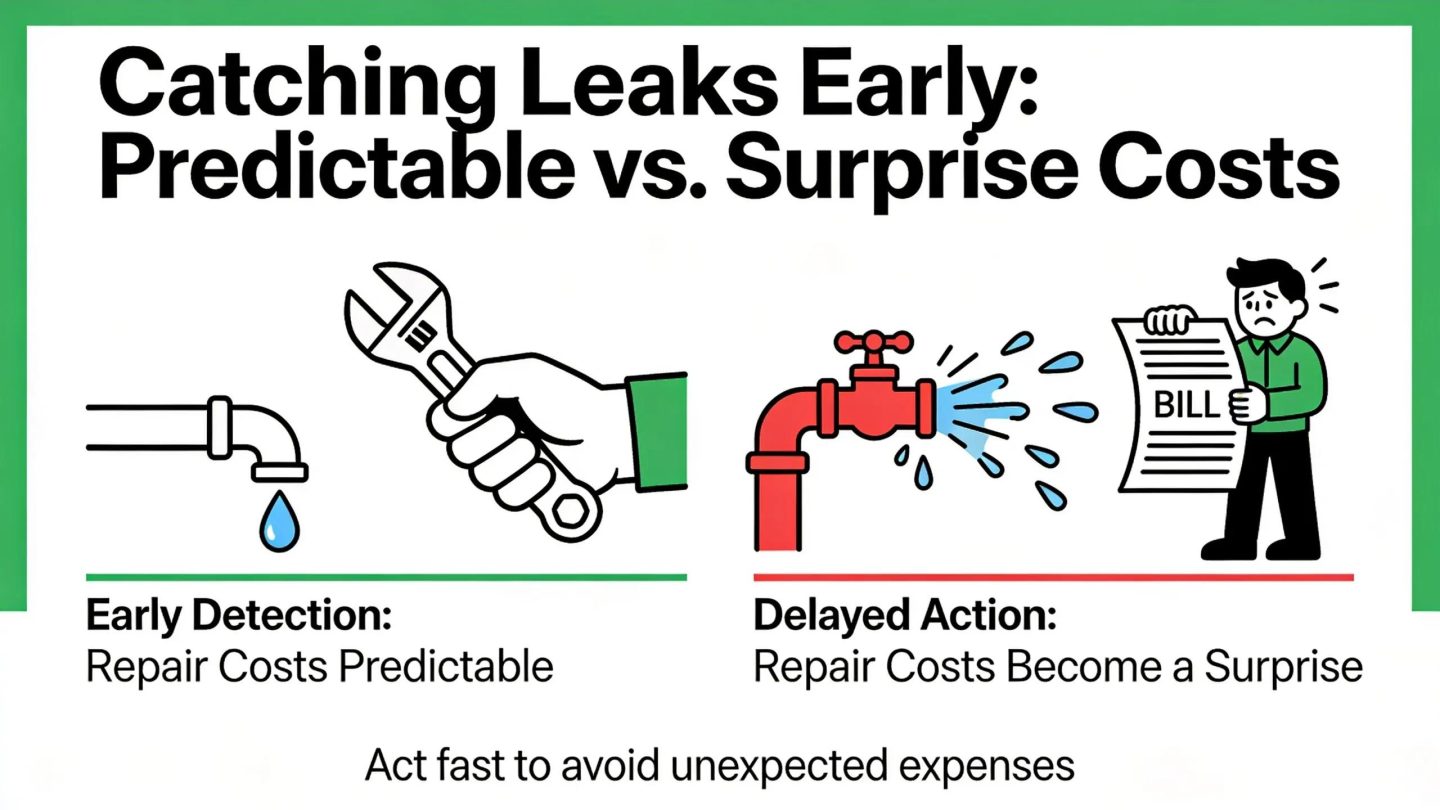
Catch a leak early and your repair costs stay predictable instead of turning into a nasty surprise. At Discount Drain & Sewer Cleaning, we believe reliable service should never come with hidden fees. A little preparation is your best defense against costly surprises.
Why does preparation matter for spotting hidden leaks?
Hidden leaks rarely announce themselves with a puddle on the floor, which is exactly why preparation matters. Households lose a surprising amount of water every year to leaks nobody notices. Keep your tools ready and you’ll catch the subtle clues—a damp baseboard, a water bill that’s crept up a little more than usual—right on your own property.
What happens after you confirm a leak?
Once you’ve confirmed a leak or a stubborn clog, budget-friendly drain cleaning solutions are ready to fix the problem without wrecking your budget. You get an honest assessment and a straightforward repair plan, so the fix stays affordable and the surprises stay out of it.
How Do You Test Your Water Meter For Leaks?
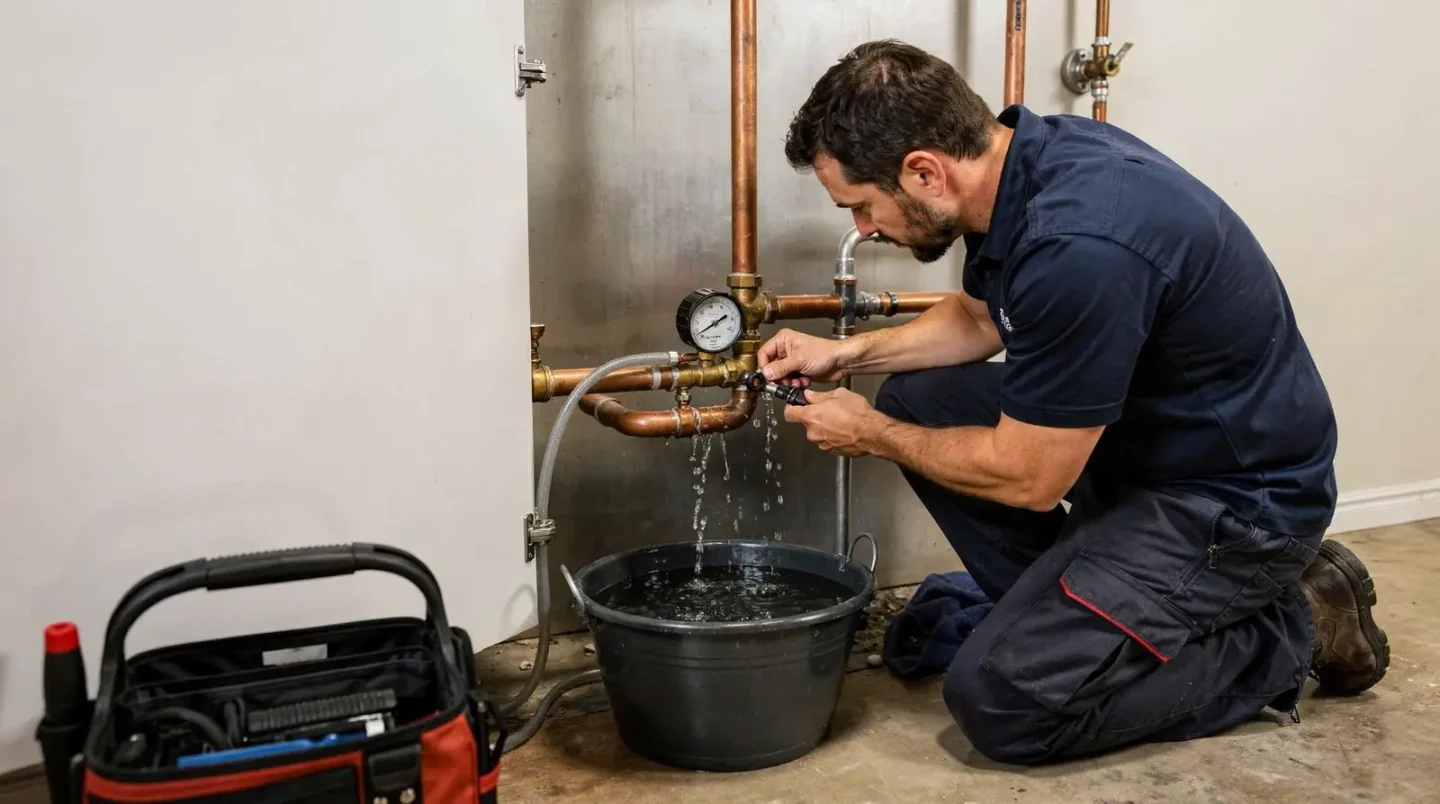
A water meter test tells you whether water is still moving through your pipes while every faucet sits shut off. It’s a simple check that can reveal hidden leaks long before any stain or warped floor shows up. Property managers and homeowners alike can run this test in under an hour with nothing more than a flashlight and a bit of patience.
Plumbing service focuses on the water supply side of your home, which is exactly where a meter test aims its attention. Leak detection starts at the source: the pipe bringing water in, not the drains carrying it out. Follow these steps in order.
- Shut off every fixture in your home. Close faucets, turn off the dishwasher and washing machine, and stop irrigation systems.
- Locate your water meter, usually near the curb or in a basement utility area.
- Record the exact reading, including the small leak-indicator dial if your meter has one.
- Wait two hours without using any water.
- Check the meter again. Movement on the dial, or a changed number, means water is still flowing somewhere.
What If The Meter Moves But I Don’t See Any Water?
Movement without visible pooling usually points to a leak inside a wall, under a slab, or along an underground supply line. These are classic hidden leaks—quiet, slow, and easy to miss until damage spreads. A professional plumbing team keeps water moving safely into your property and can trace the exact source once the meter confirms a problem exists.
Catch water leak signs at the meter instead of waiting for a soaked ceiling, and you’ll save yourself costly repairs down the road.
What Water Leak Signs Should You Watch For?
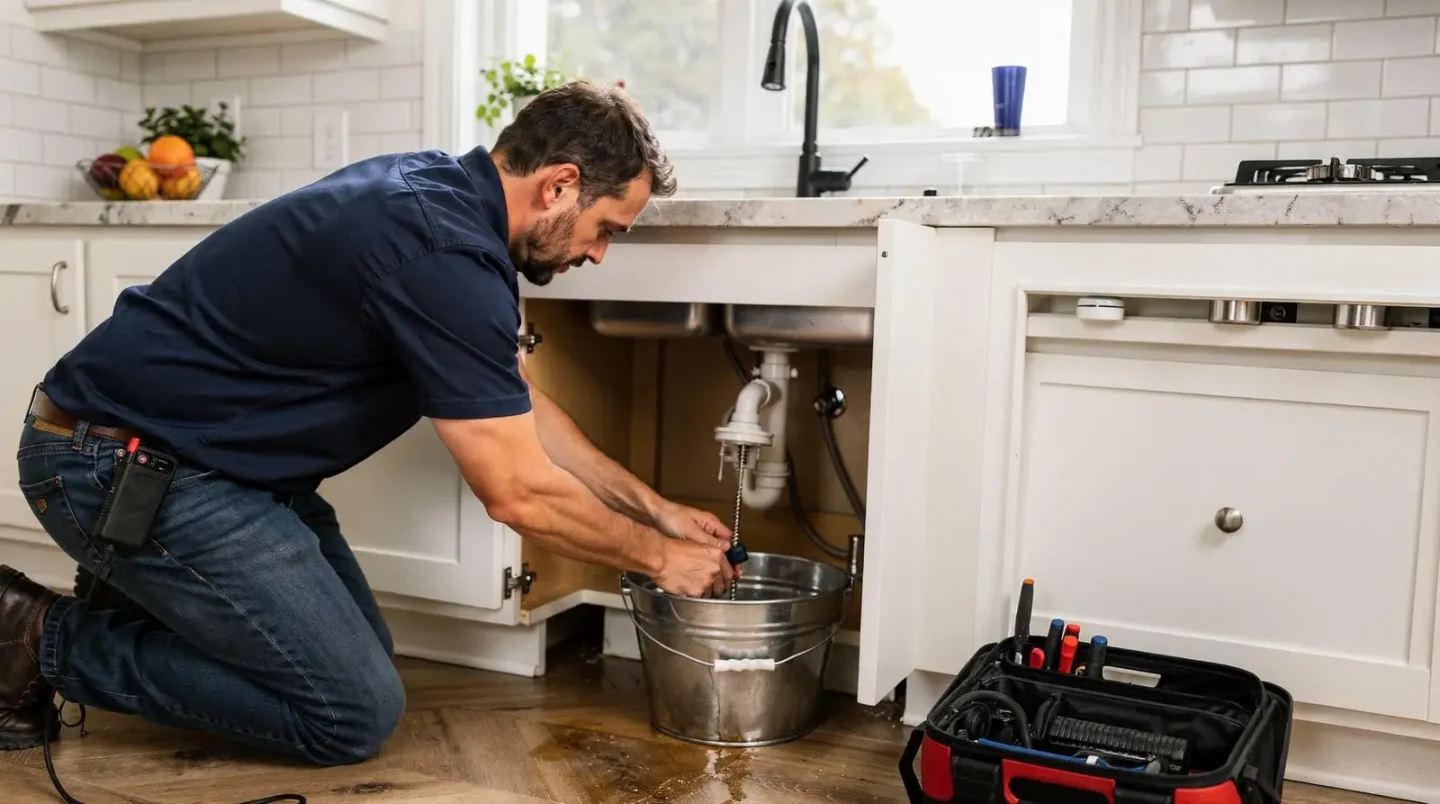
Five clues separate a healthy plumbing system from one that’s hiding trouble: rising water bills, musty odors, unexplained stains, warped materials, and strange sounds near the pipes. Effective leak detection starts with paying attention to these details before they turn into a soaked ceiling or a ruined floor. Catch these clues early and you’ll avoid the higher repair bills that come with damage left to sit.
Common water leak signs show up in places you already walk past every day, so it pays to check these areas regularly:
- Water bill spikes: A sudden jump with no change in household usage often points to a leak somewhere in the system.
- Musty odors: A persistent damp smell in a room, closet, or basement signals moisture that shouldn’t be there.
- Stains and discoloration: Yellow or brown marks on ceilings, walls, or floors mean water has been sitting for a while.
- Warped materials: Buckled flooring, bubbling paint, or swollen baseboards indicate moisture soaking into building materials.
- Unusual sounds: Hissing, dripping, or gurgling near walls or fixtures deserve immediate investigation.
Why do drains back up suddenly?
A sudden backup usually means water can’t move where it should, and that blockage often hides a developing leak. Quick attention matters here—wait too long and the problem only spreads further into your home’s structure.
What should I do if I spot one of these signs?
Call for prompt drain and sewer cleaning service the moment you spot a warning sign. Get the flow moving again quickly and you’ll limit water damage and protect your property from hidden leaks that only worsen with time.
How Do You Find Hidden Leaks Behind Walls?
Drywall, flooring, and cabinet spaces hide leaks longer than any other part of your home. A slow drip can seep behind a wall, under a floor, or around an appliance connection for weeks before you notice a thing. By the time a stain appears, water may have already soaked into the insulation, framing, or subflooring.
Start with the areas most exposed to plumbing lines: bathrooms, kitchens, laundry rooms, and any wall backing up to a water heater or washing machine. As you walk through your property, watch for these clues:
- Discoloration or bubbling paint on walls near plumbing fixtures
- A musty smell that lingers even after cleaning
- Warped baseboards or soft spots in flooring
- Cabinet interiors that feel damp or smell stale
Do You Need a Professional to Check Behind Walls?
Once you spot a possible leak, calling in professional help protects your walls from unnecessary damage. Handling issues from clogged sinks to full sewer line problems takes the right tools and hands-on experience to diagnose correctly, so cutting into drywall yourself often does more harm than good. A trained team finds the source before recommending any repair, saving you from guesswork and repeat damage.
Could the Leak Be Coming From a Drain or Sewer Line?
Yes, and it’s easy to overlook. Sewer and drain lines carry water, waste, and debris away from your home, so a crack or blockage in those lines creates another common hiding spot for hidden leaks. If your hidden leak sits near a bathroom or kitchen drain rather than a supply line, the culprit may be the drain system itself, not the water pipes. Get both systems inspected together and you’ll have a complete picture of where the water is escaping.
What Should You Do After Finding A Leak?
Act quickly after finding a leak and you protect your home from thousands of dollars in structural repairs. Delay, and you risk mold growth, warped flooring, and damaged electrical systems within days, not months. The right response depends on where the leak sits and how much damage has already started.
Follow these steps once you spot a drip, stain, or damp patch:
- Shut off the water supply to the affected fixture or, for a major leak, the main line.
- Document the damage with photos before you move anything, especially for insurance purposes.
- Remove standing water and start drying the area with fans or a wet vacuum.
- Call a professional if the leak sits near finished walls, ceilings, floors, or electrical components — these spots need prompt attention rather than a weekend DIY project.
- Schedule a follow-up inspection to confirm the source is fully resolved and no secondary drips remain.
Should you dry the area yourself before a plumber arrives?
Yes. Drying fast and repairing early limits water damage and helps keep mold from taking hold. Grab towels, open the windows, and run a fan while you wait for professional help. Every hour matters once hidden leaks reach drywall or subflooring.
Do you need drain cleaning after a leak, or just a repair?
Sometimes both. Once a leak is confirmed, professional sewer and drain cleaning clears blockages, restores proper flow, and helps prevent messy backups that could trigger the same leak all over again. Skip this step and you’re often calling the plumber back within weeks for a repeat visit.
FAQ
What tools do you need before checking for leaks?
A flashlight, notepad, your most recent water bill, and a dry towel prepare you for a focused inspection. These items turn guessing into a systematic check completed in under an hour.
How do you test your water meter for leaks?
Shut off every fixture, including faucets, the dishwasher, and irrigation systems, then locate your water meter and record the exact reading. Movement on the meter signals an active leak.
What warning signs indicate a hidden plumbing leak?
Musty odors, ceiling stains, warped flooring, unusual sounds, and rising water bills all indicate leaks developing behind walls or under floors. These signs precede costly structural damage and mold growth.
Conclusion
Catching plumbing leaks early protects your home and your wallet. Stay alert to the warning signs—water stains, musty odors, soft spots, an unexpected bill spike—and you’ll catch problems before they spiral into costly damage. A little attention and regular inspection go a long way. When trouble does show up, reaching out to professionals gets the job done right the first time, keeping your water flowing safely and your peace of mind intact.