By Discount Drain & Sewer Cleaning Editorial Team · Updated 2026-08-19
Planning plumbing work in Milwaukee? You’ll need to follow Wisconsin Plumbing Code SPS 381-387, which the city has adopted by ordinance to cover storm and sanitary sewers, water services, and interior piping. A licensed master plumber typically pulls the permit, with a few exceptions — minor maintenance repairs and emergency work you report afterward.
Every Milwaukee plumbing project answers to that same State of Wisconsin Plumbing Code, adopted locally by city ordinance. The city inspects storm and sanitary sewers, water services, private sewerage systems, building drains, and vent piping to make sure everything flows properly and nothing leaks. Since you need a permit before work starts, Discount Drain & Sewer Cleaning is here to help you sort out exactly what your project requires.
Key Takeaways
Milwaukee adopts Wisconsin Plumbing Code SPS 381-387 through city ordinance for all plumbing work.
Inspectors examine storm sewers, sanitary sewers, water services, wells, and private sewerage systems outside.
Building inspectors verify storm and sanitary drains, waste piping, vent piping, and fixtures inside.
The city requires permits for construction and renovation projects with specific application procedures and fees.
Why Do Milwaukee Plumbing Permits Matter?
Permits protect your home, your budget, and your neighborhood’s water system. Milwaukee-plumbing-permits cover nearly every construction or alteration project inside city limits, so skipping this step can leave you facing fines, a failed inspection, or having to redo work you already paid for. From a new water line to a full drain replacement, most plumbing changes fall under this requirement.
There’s another upside here, too: no surprise costs. Discount Drain & Sewer Cleaning believes reliable plumbing service should never come with unexpected charges tacked on. We build that promise into every estimate, keeping drain cleaning pricing honest and budget-friendly for Milwaukee families and property managers alike.
What Happens If You Skip a Permit?
Skip the permit, and you may end up tearing out finished plumbing later just to prove it meets code. Insurance companies often deny claims tied to unpermitted repairs, too, which means you’re covering that damage yourself. It might feel faster to skip the paperwork today, but it almost always costs more down the road.
How Do Permits Connect to Local Codes?
Every permit review checks your project against local-plumbing-codes-milwaukee, confirming your pipe materials, drainage grading, and fixture placement all meet approved standards. Inspectors want eyes on the work before it disappears behind drywall or under a slab.
Here’s what a permit-backed project protects:
Property value — documented, code-compliant work holds up during resale inspections.
Safety — approved materials and proper venting reduce leak and contamination risk.
Budget — catching issues early avoids costly teardown-and-repair cycles later.
Discount Drain & Sewer Cleaning is glad to walk you through how-to-get-plumbing-permit-mke so your project starts off on solid, code-compliant ground.
How Do You Get A Plumbing Permit In MKE?
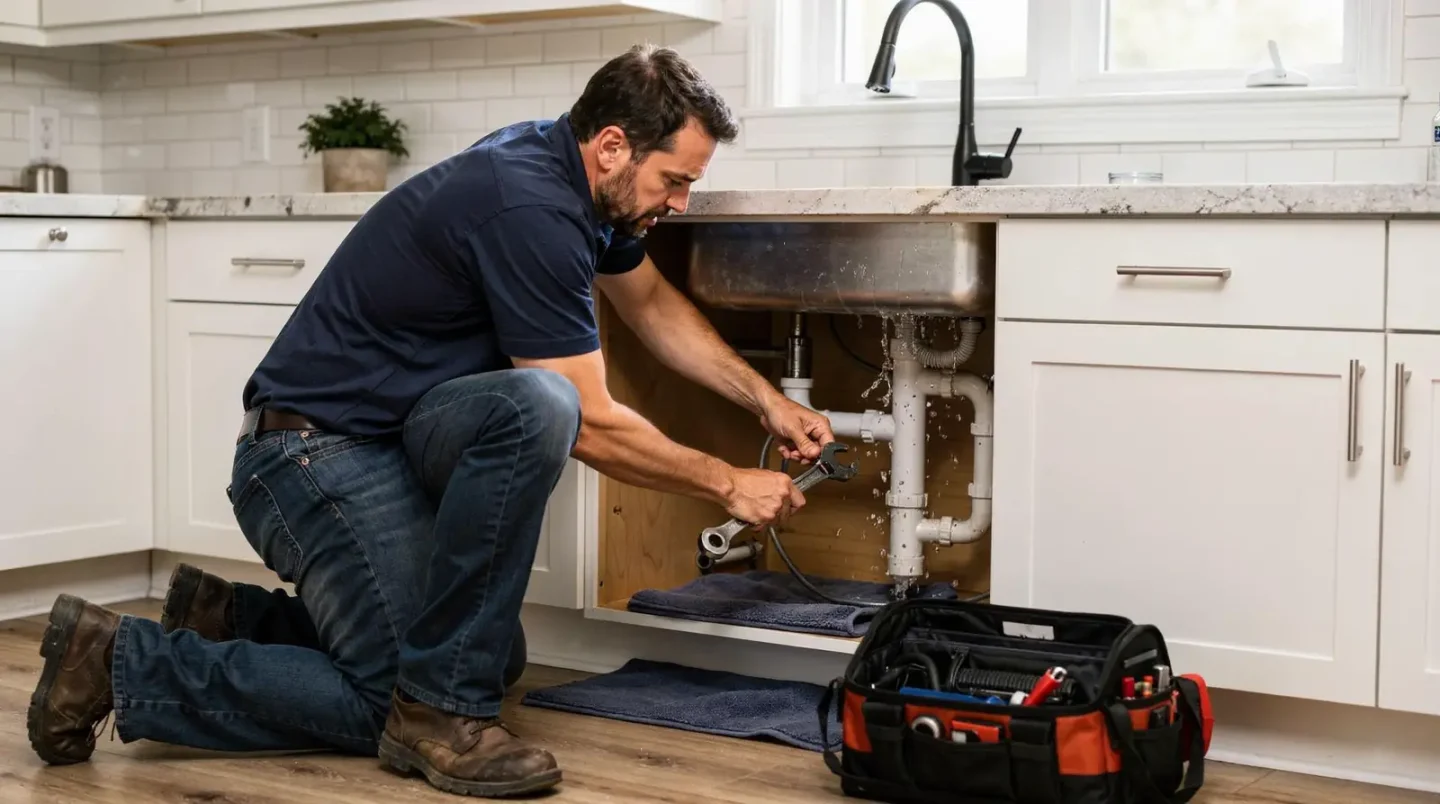
Most Milwaukee plumbing projects need a permit before anyone breaks ground. Milwaukee-plumbing-permits generally go to a licensed master plumber, though there’s a narrow exception: an owner-occupant of a single-family home can pull one for their own project. That exception only applies if you actually own and live in the house, and it won’t cover a major system overhaul.
If you’re figuring out how-to-get-plumbing-permit-mke, start by knowing who’s allowed to pull the paperwork. Property managers and landlords typically can’t self-permit — that job falls to a licensed plumber. Confirm your contractor’s licensing before you sign anything, since unpermitted work has a way of creating headaches during resale or a future inspection.
Do I need a permit for minor drain repairs?
Not always. Minor maintenance on an existing installation, clearing a stoppage without taking the system apart, and genuine emergencies all skip the upfront permit step — though emergency repairs still need to be reported to the plumbing inspector once the work has started. That distinction matters most when a drain backs up unexpectedly and paperwork is the last thing on your mind.
What happens once the permit is approved?
Once you’re approved, work can begin — and timing matters. A backed-up drain can turn into a real emergency fast, flooding basements and throwing your whole household off track. That’s why Discount Drain & Sewer Cleaning moves quickly once permitted work is underway, working to get your water flowing again without unnecessary delay.
Knowing local-plumbing-codes-milwaukee helps you avoid costly mistakes before they happen. Grading requirements keep sewer lines flowing downhill the way they should, and inspectors test the whole system for leaks before signing off. Nail down a few basics first, and your project will move faster:
Confirm your contractor holds a valid plumbing license
Ask whether your specific repair qualifies for an exemption
Keep permit and inspection paperwork on file for future reference
Discount Drain & Sewer Cleaning brings the tools and the hands-on experience to handle clogged sinks and sewer line issues correctly — permit or not.
What Do Local Plumbing Codes In Milwaukee Cover?
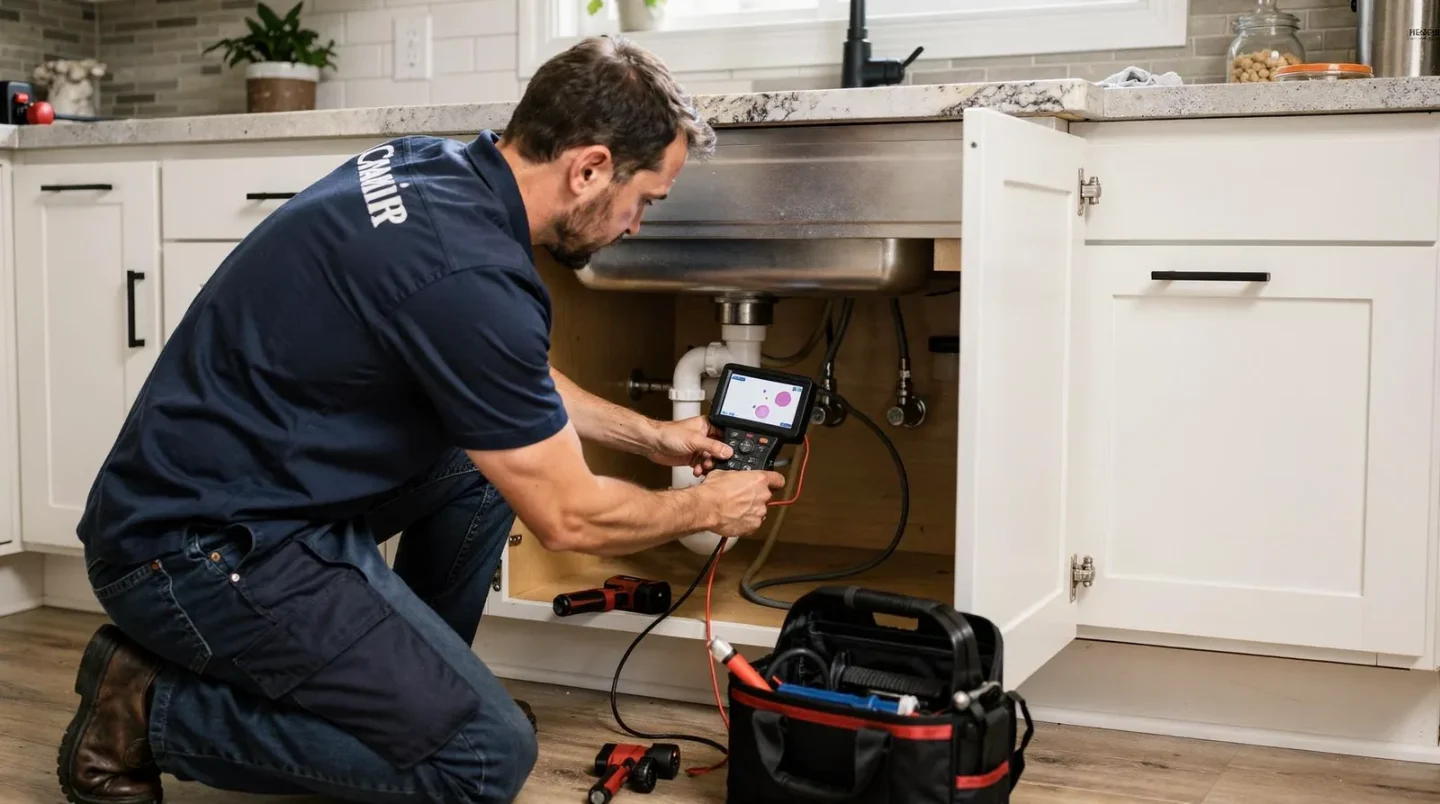
Two systems anchor every rule you’ll run into on a Milwaukee plumbing project: the water coming in, and the waste going out. Local plumbing codes in Milwaukee split cleanly along that line, and knowing which side your project touches shapes what kind of approval you’ll need. Skip that step, and you risk a failed inspection or a stalled renovation.
Plumbing service in your home centers on the water supply side of the property — the pipes, fixtures, and connections that bring clean water in. Drain and sewer cleaning, on the other hand, covers the lines that carry water, waste, and debris away from your house. Both fall under the same code umbrella, but each gets inspected differently.
Milwaukee doesn’t write its own plumbing rulebook from scratch — the city adopts the State of Wisconsin Plumbing Code by ordinance, so every fixture, pipe, and joint in your home ultimately answers to a statewide standard.
What Does A Milwaukee Plumbing Permit Actually Approve?
A permit confirms your project meets the adopted state code before, during, and after the work happens. Inspectors review the plans, check the materials, and sign off once the installation matches what was approved.
Do Supply Lines And Drain Lines Follow The Same Code?
Yes — both fall under the same statewide plumbing code Milwaukee has adopted locally. The distinction that matters for you is practical, not legal: supply-side work is about getting water into your home safely, while drain and sewer work is about getting it back out.
Here’s a quick breakdown of the two sides:
Supply side: water lines, fixtures, appliances, distribution piping
Drainage side: building drains, waste piping, vent piping, sewer connections
Knowing which category your project falls under makes conversations with your contractor a whole lot smoother.
What Happens During A Milwaukee Plumbing Inspection?
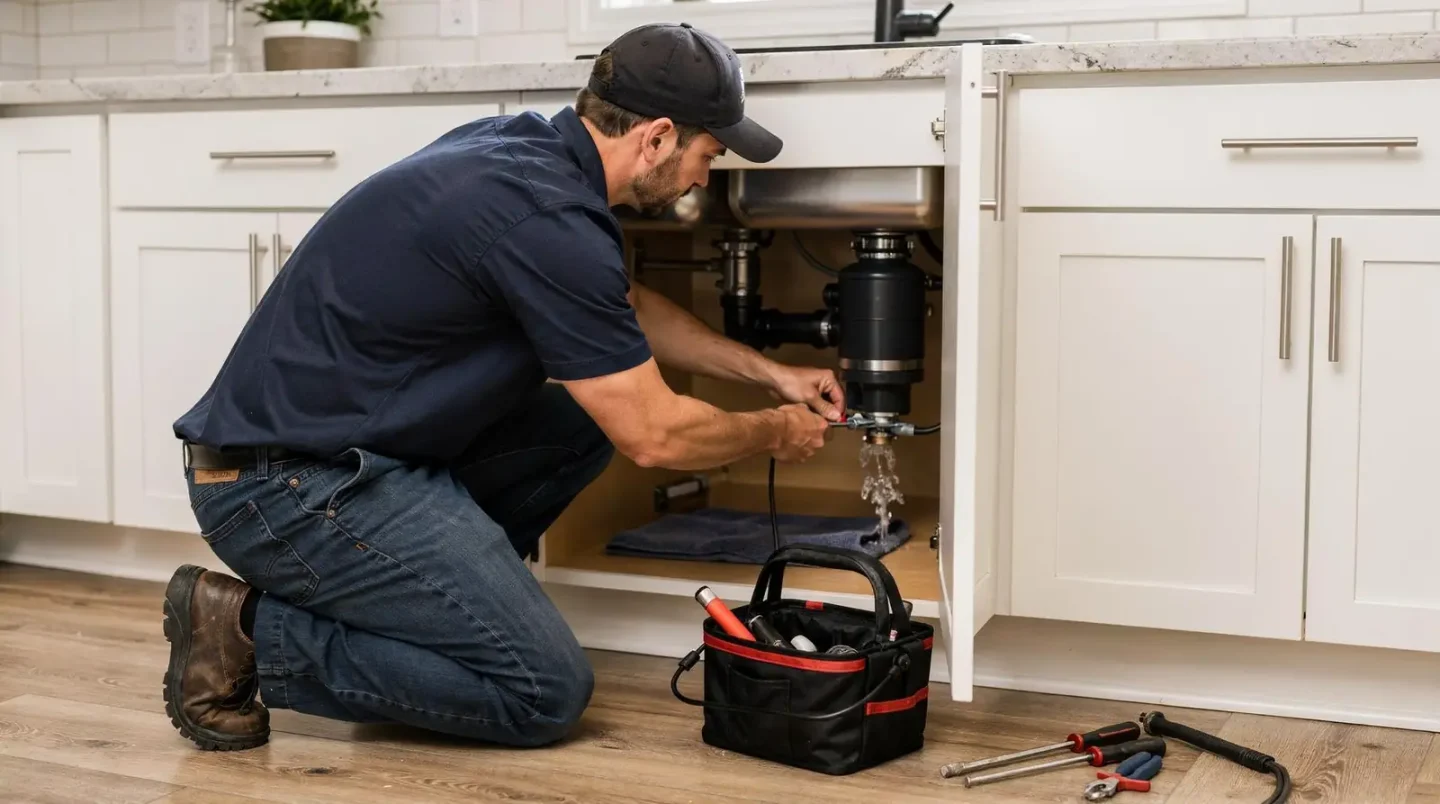
A Milwaukee plumbing inspection checks that every pipe carrying water into and out of your property meets local plumbing codes in Milwaukee. Inspectors examine grading, look for leaks, and confirm your fixtures won’t put your household water supply at risk. Skip this step, and you’re gambling with failed backflow prevention, sewage backups, and costly rework down the line.
City inspectors focus on flow first. Sewers, drains, and waste piping all need proper grading to keep water moving downward and away from your home, not pooling or backing up. That’s the same goal Discount Drain & Sewer Cleaning works toward every day: professional plumbing services designed to keep water moving safely through your property, so your supply lines stay reliable long after the inspector leaves.
Why do inspectors care about cross connections?
Cross connections happen when safe drinking water accidentally links up with a questionable source — a hose sitting in a puddle, say, or a contaminated line. Inspectors block these connections to protect your household water, and they also prohibit hazardous waste from draining into the sewer system, which keeps Milwaukee’s water supply safe for every property on the block.
What should you do if your inspection reveals a blockage?
A flagged blockage doesn’t have to derail your project. Discount Drain & Sewer Cleaning’s sewer and drain cleaning services clear stoppages, restore proper flow, and help you avoid a messy backup before it spreads.
Before your next inspection, confirm you understand:
How grading and flow requirements apply to your property
Where cross connections might exist in older plumbing
Whether getting a plumbing permit in Milwaukee is required for your project’s scope
Get a handle on Milwaukee plumbing permits upfront, and you’ll save yourself from failed inspections and repeat visits.
Which Plumbing Jobs Skip The Permit Process?
Not every plumbing task in Milwaukee needs a permit before you start. Minor repair work that simply maintains an existing installation generally falls outside the standard Milwaukee plumbing permits process — small fixes that keep a system running normally don’t trigger paperwork. Genuine emergencies also move forward without waiting on approval, though the work still has to be reported to the Plumbing Inspector right after it begins.
If you’re weighing how to get a plumbing permit in MKE against just handling a quick repair yourself, here’s a simple breakdown:
Skips the permit: minor maintenance repairs on existing fixtures or piping
Skips the permit, but requires reporting: true emergency work, reported to the inspector immediately after it starts
Usually needs a permit: new installations, major line replacements, and system alterations
Does a leaky faucet repair need a permit?
Fixing a leaky faucet or tightening a loose connection typically counts as minor maintenance, not new construction. These are exactly the kind of small jobs that keep your existing system working the way it was designed to — and exactly the kind that skip the permit step.
What counts as a plumbing emergency in Milwaukee?
A burst pipe or a sudden sewer backup qualifies as emergency work under local plumbing codes in Milwaukee. You can get help right away, but the work still needs to be reported to the inspector once it’s underway.
Whatever category your job falls into, Discount Drain & Sewer Cleaning shows up fast and keeps pricing honest and budget-friendly from start to finish.
FAQ
Who needs to obtain a Milwaukee plumbing permit?
A licensed master plumber pulls the permit, except for specific cases like minor maintenance repairs or emergency work that is reported afterward.
What happens if you skip a required plumbing permit?
Unpermitted work forces you to tear out finished plumbing to prove code compliance. Insurance claims tied to unpermitted repairs often get denied.
What plumbing code governs Milwaukee permits and inspections?
Milwaukee adopts Wisconsin Plumbing Code SPS 381-387 through city ordinance, covering storm/sanitary sewers, water services, building drains, vent piping, and interior fixtures.
Conclusion
Navigating Milwaukee’s plumbing permits and regulations doesn’t have to feel overwhelming. Once you understand the requirements and work with professionals who know the local codes inside and out, you protect your property and keep your plumbing system running safely for years to come. Whether you’re tackling a major renovation or handling an urgent repair, staying compliant keeps everything flowing smoothly — and gives you genuine peace of mind.