
Homeowners can expect the right tools and hands-on experience applied to every pipe repair job, whether
By Discount Drain & Sewer Cleaning Editorial Team · Updated 2026-08-19
A preventive pipe repair typically starts at $181 and can stop a hairline crack or small leak from turning into a burst pipe down the road. If replacement is the better call, a licensed plumber will run a camera inspection first, then repipe with PEX or copper — or, if your property qualifies, use trenchless relining instead.
Whether you need a repair or a full replacement comes down to how bad the damage is and where it’s located — a hairline crack usually just needs a repair, while a fully failed pipe means replacement. Keep in mind that the sewer line running from your house to the street is your responsibility until it connects to the municipal system. We’ll diagnose the problem quickly and point you toward the most affordable fix.
Key Takeaways
- Single damaged pipes waste thousands of gallons of water and compromise structural integrity if left unaddressed.
- Preventive pipe repairs cost significantly less than burst pipe claim expenses.
- Licensed plumbers use camera inspections to assess damage before recommending repiping or trenchless relining solutions.
- Modern replacement materials include PEX and copper pipes, requiring planning for temporary water disruption during installation.
What Do You Need Before Starting Pipe Repairs?
Before you start any pipe repair and replacement work in Milwaukee, get three things lined up: the right tools, an honest cost estimate, and a clear picture of your water supply system.
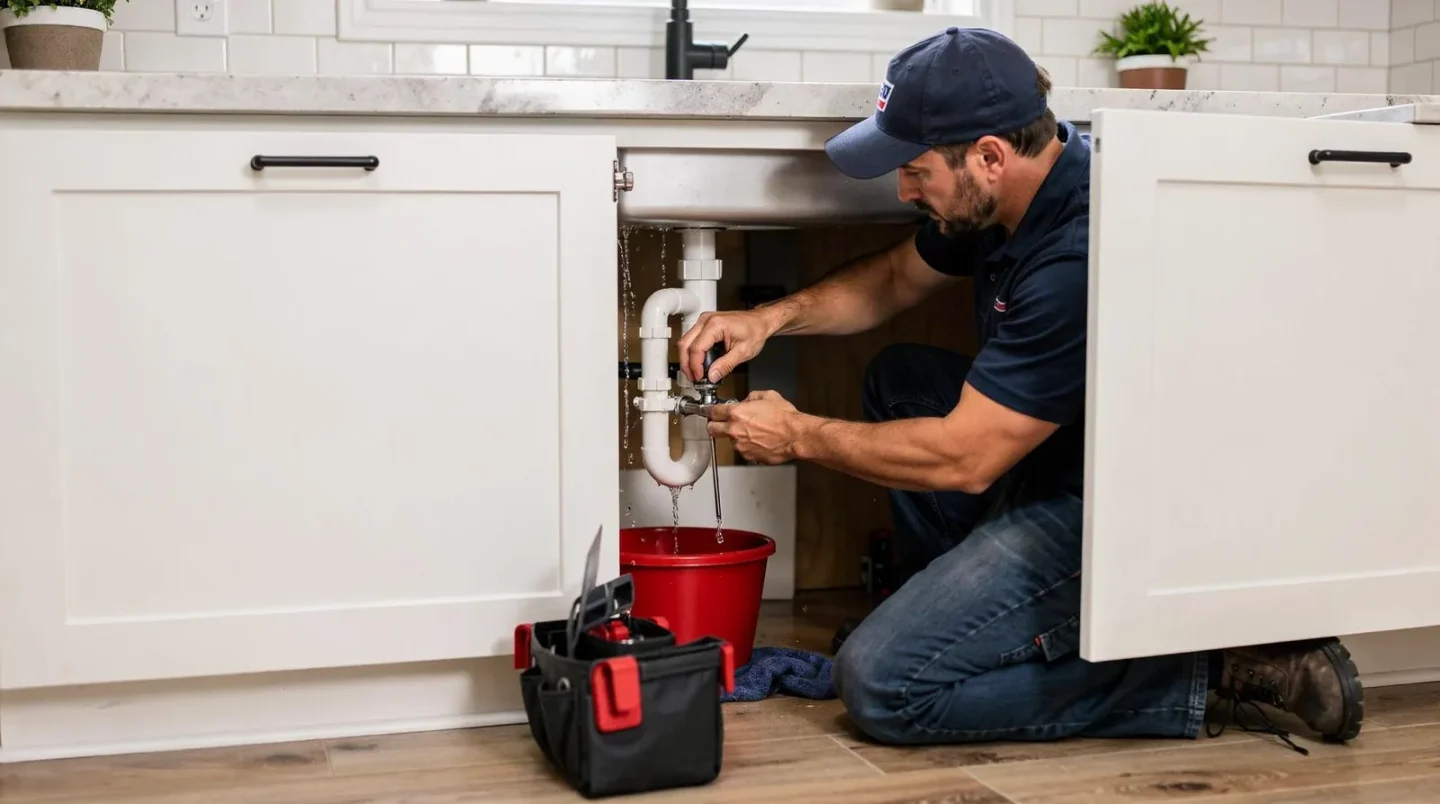
A basic wrench solves more problems than you’d think — a loose coupling nut, the fitting that connects your drainpipe to the P-trap, is often the real culprit behind a leak that looks far worse than it is. Beyond hand tools, work through these steps:
- Identify the leak source — check joints, coupling nuts, and visible cracks first.
- Gather a wrench, plumber’s tape, and a bucket to catch drainage.
- Confirm whether the issue affects residential or business water supply lines.
- Request a written estimate before work starts, so pricing stays honest with no surprise charges.
- Decide whether the damage calls for a simple patch, full burst pipe repair in MKE, or a trenchless pipe relining approach in Milwaukee for older, corroded lines.
Bigger sewer line problems need more than a wrench — that’s when hands-on experience and the right equipment make the difference.
How Can You Spot Early Pipe Damage Signs?
Rust-colored water, weak pressure, and visible corrosion all show up long before a pipe actually bursts. Frequent leaks are your clearest warning sign, especially if you keep calling a plumber back to the same spot. Ignore those clues and a manageable fix can turn into an emergency burst-pipe repair — usually at a much higher cost.
Watch for these four age-related indicators:
- Frequent leaks in the same area or spreading to new spots
- Rust-colored water from your faucets, especially after the tap sits unused
- Low water pressure throughout the house rather than just one fixture
- Visible corrosion on exposed pipes in basements, crawl spaces, or under sinks
See two or more of these at once, and it’s time to seriously consider repair or replacement instead of patching the same spot again. Waiting almost always costs more — once a weakened pipe gives way, a leak or backup can spread fast, sometimes within hours. Responding quickly protects your floors, walls, and foundation, and catching the signs early keeps less invasive pipe-relining-milwaukee techniques on the table instead of a full excavation.
How Do You Decide to Repair or Replace?
Your pipe’s age and material go a long way toward deciding whether repair or replacement is the right fit. A single loose joint just needs a quick patch, but corroded galvanized steel running through your whole house points to a bigger project. Lifespan varies quite a bit by material:
Check your plumbing records, or have a specialist identify your pipe’s material and age, compare it against the table above, look for warning signs like discoloration or recurring leaks, and weigh the repair cost against the replacement cost.
A preventive repair almost always costs far less than dealing with a full pipe failure later, so handling small issues early keeps your costs manageable. A burst pipe is a different story — it’s always an emergency, since standing water spreads fast and damages floors, walls, and belongings. If your pipe is otherwise sound with only isolated damage, pipe relining in Milwaukee gives you a less invasive alternative to full replacement.
What Are the Steps to Fix a Leaky Pipe?
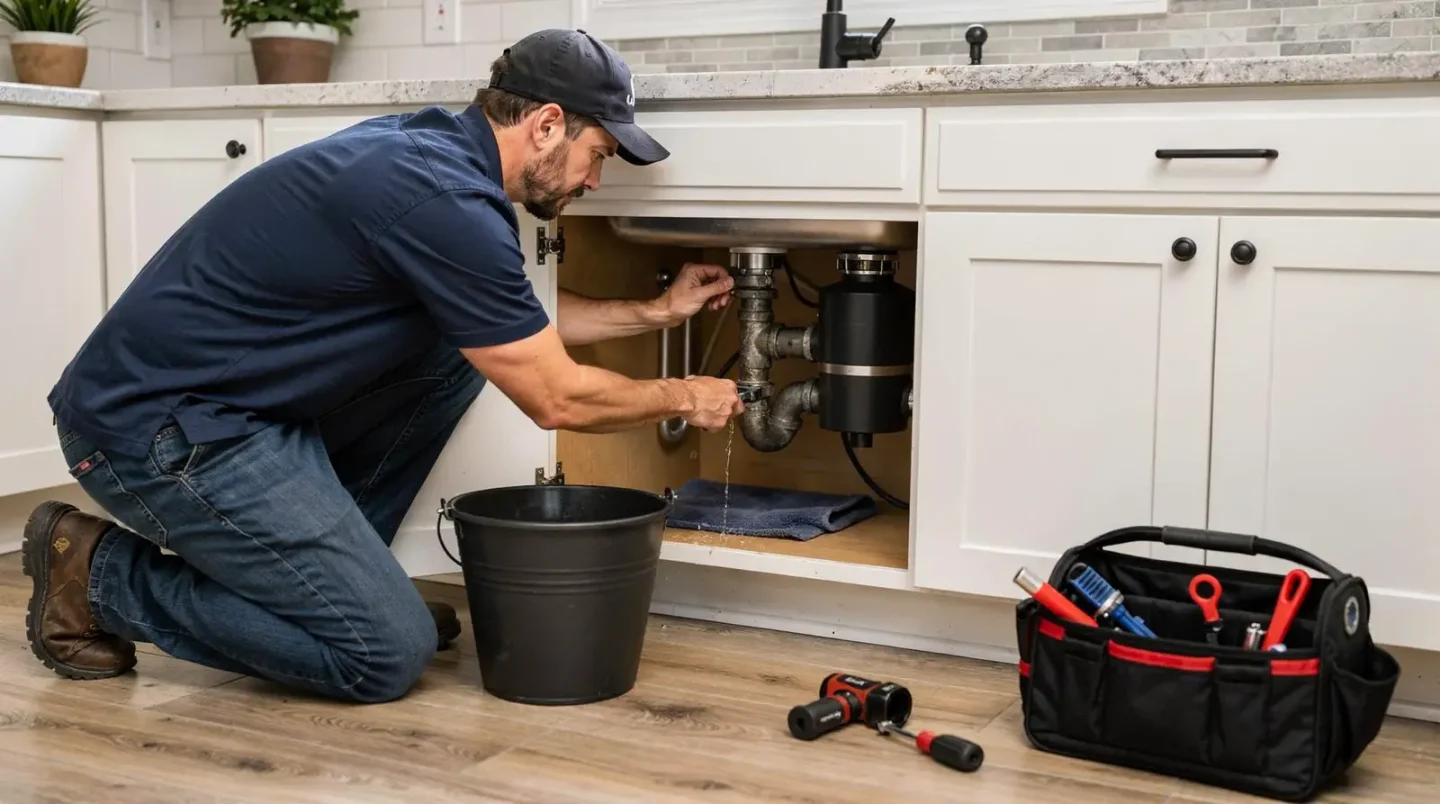
Fixing a leaky pipe starts with finding the source before you reach for a wrench. A loose coupling nut is behind many under-sink leaks, and tightening that connection often solves the problem in minutes.
- Shut off the water supply to the affected fixture before touching anything.
- Locate the leak source — check coupling nuts, the P trap, and visible pipe joints first.
- Tighten the coupling nut with a wrench if that connection looks loose.
- Test the repair by turning the water back on and watching for drips over several minutes.
- Call in professional help if the leak persists — pipe repair and replacement in Milwaukee homes often need specialized tools and experience to finish correctly.
Coupling nuts connect your drainpipes to the P trap, the U-shaped fitting that keeps sewer gases out of your home. That connection loosens over time from normal use, which is why it’s one of the most common — and easiest to fix — causes of a small leak.
If the leak keeps coming back after you’ve tightened it, the fix likely needs more than a wrench — a professional can pin down a worn seal or a failing section of pipe. A slow leak gives you time to plan, but a burst pipe calls for immediate action; burst pipe repair in the Milwaukee area needs a fast response and the right tools to stop the water loss quickly. When the damage goes beyond a simple patch, pipe relining in Milwaukee restores function without a full replacement.
When Does a Burst Pipe Need a Professional?
A burst pipe needs professional help the moment water keeps flowing even after you’ve shut off the main valve. A single damaged pipe can waste thousands of gallons and threaten your home’s structural integrity within hours, not days.
- Shut off the main water valve to stop the flow.
- Turn off electricity near the affected area if water has reached outlets or fixtures.
- Photograph the damage for insurance purposes.
- Call a licensed team experienced in pipe repair and replacement in Milwaukee homes.
The first hour matters most, since that’s when water damage spreads fastest. We prioritize urgent calls, and our local coverage across Milwaukee, Waukesha, and Racine counties keeps response times short. Beyond the emergency shutoff, call us when you suspect corrosion, tree roots, or old cast iron lines — those cases often call for pipe relining in Milwaukee properties instead of a simple patch, and we’ll keep the pricing honest and upfront throughout.
How Does Sewer Line Relining Restore Your Pipes?
Sewer and drain cleaning clears blockages and gets proper flow going again, so you’re not stuck with messy backups returning week after week. Your sewer line carries water, waste, and debris safely away from your property, so any disruption to it affects everything from your kitchen sink to your basement floor drain.
Tree roots are behind a huge share of underground trouble. Roots search out moisture, and an aging sewer line offers exactly that, creating blockages that keep coming back no matter how many times you clear them yourself.
Traditional sewer repair used to mean digging up your entire yard, driveway, or basement floor. Trenchless pipe-relining-milwaukee methods skip all that for eligible properties, installing a new lining inside the damaged pipe instead of excavating around it. Not every pipe qualifies, though — a trained plumber checks for root intrusion, cracking, or collapse before recommending this approach, and severely damaged sections sometimes still need traditional repiping.
If you’re dealing with recurring backups or a sluggish drain that never fully clears, a specialist can inspect the line and tell you whether relining, a spot repair, or full replacement makes the most sense.
What Happens During Full Pipe Replacement?
Full pipe replacement starts with a camera inspection, not a demolition crew. A licensed plumbing company threads a small camera through your lines to pinpoint corrosion, cracks, or collapsed sections before anyone touches a wall.
- Schedule the camera inspection to map damage and confirm replacement is necessary, not just a patch job.
- Shut off your water supply to the affected section before any cutting begins.
- Open walls or floors where pipes run behind finished surfaces, when needed.
- Install new water supply piping.
- Test the new lines under pressure before closing up any openings.
- Repair drywall, flooring, or other finished surfaces disturbed during the work.
Expect a temporary disruption to your water supply during the swap — not a multi-day shutdown for most single-line jobs. Service comes back on as soon as testing confirms the new pipe holds pressure. Pipe relining in Milwaukee homes is the less invasive path when a camera inspection shows the line is still sound enough to reinforce rather than replace; severe corrosion or a sudden burst usually points toward full replacement instead. Either way, the pricing stays honest from the first estimate to the final invoice.
What Mistakes Should You Avoid During Repairs?
Cutting corners on pipe-repair-replacement-milwaukee work costs homeowners real money and time. Four mistakes cause most of the damage: hiring cut-rate crews, ignoring small leaks, delaying service calls, and not knowing who’s actually responsible for the sewer line.
- Choose a provider built on affordability and reliability, not just the lowest bid.
- Call for service the moment you notice a leak or a slow drain.
- Address hairline cracks right away, before they become an expensive emergency.
- Confirm the boundary of your responsibility: homeowners maintain the sewer line from the house to the street; the municipality takes over from the street onward.
A small drip you brush off today can turn into full-scale burst-pipe-repair-mke work tomorrow, bringing drywall damage, mold growth, and higher water bills with it. Skipping a professional inspection is one of the costliest mistakes you can make — guessing at your pipe’s condition instead of verifying it usually means paying twice. When the damage runs deep, ask about trenchless pipe relining in Milwaukee before committing to a full excavation.
FAQ
How much does preventive pipe repair cost?
A preventive pipe repair starts at $181, and getting ahead of a hairline crack or small leak now can keep it from turning into a burst pipe or full failure later.
Who is responsible for the sewer line running from my house to the street?
Your sewer line is your responsibility all the way from your house to the point where it connects to the municipal pipes in the street.
What determines whether a pipe needs repair or replacement?
It comes down to how severe the damage is and where it’s located — a hairline crack usually qualifies for a preventive repair, while full pipe failure calls for replacement once a camera inspection confirms it.
Conclusion
Keeping your pipes in good shape protects your home and your wallet from costly emergencies down the road. Whether you’re dealing with a minor leak or weighing a full replacement, knowing your options helps you make the right call — and know exactly what to expect when it’s time to bring in the professionals.