By Discount Drain & Sewer Cleaning Editorial Team · Updated 2026-08-19
The moment trouble hits, shut off your main water valve first — that’s what stops the flooding at its source. From there, turn off your water heater, grab some towels and buckets to contain what’s already on the floor, and snap a few photos for your insurance claim. And when you need backup, Discount Drain & Sewer Cleaning is a call away, with fast, honest response across Milwaukee, Waukesha, and Racine counties to get your drains flowing again.
Key Takeaways
- Shut off the main water valve immediately—every second counts to prevent water damage escalation.
- Turn off the water heater after shutting the main valve to protect the system.
- Contain water with towels and document all damage with photos for insurance claims.
- Locate your shut-off valve before an emergency occurs to save critical response time.
What Should You Prepare Before Trouble Strikes?
Preparation determines how much water damage your home actually suffers. A burst pipe or overflowing toilet gives you minutes, not hours, to react. And every second spent searching for a valve is water spreading across your floors. Building a plan now means you already know the [immediate steps](https://discountdrainandsewer.com/faqs-sewage-backup/) for a plumbing emergency in Milwaukee before panic sets in.
Start with the basics, then layer in the specifics for your property.
- Locate your main water shut-off valve today, not during a crisis. Knowing the shut-off-water-steps-mke ahead of time is what separates a five-minute fix from a flooded basement.
- Walk through your home and identify secondary valves under sinks, behind toilets, and near your water heater.
- Keep towels, a wet/dry vacuum, and a bucket stored somewhere accessible, not buried in a closet you rarely open.
- Write down a trusted plumber’s contact information and post it somewhere visible.
What if a drain backup threatens my basement?
Sewage backups move fast, and standing water carries contamination risk you shouldn’t handle alone. Discount Drain & Sewer Cleaning offers honest, budget-friendly service to help you navigate your options during stressful times. Learning how to stop-sewage-backup-milwaukee starts with shutting off water use in the home and calling for help immediately.
Why does valve location matter so much?
A hidden or forgotten shut-off valve costs you precious minutes while water keeps flowing. That’s where a technician earns their keep — arriving with the tools and know-how to handle clogged sinks and sewer line trouble, restoring flow quickly once you’ve stopped the immediate flood.
How Do You Shut Off Water Fast?
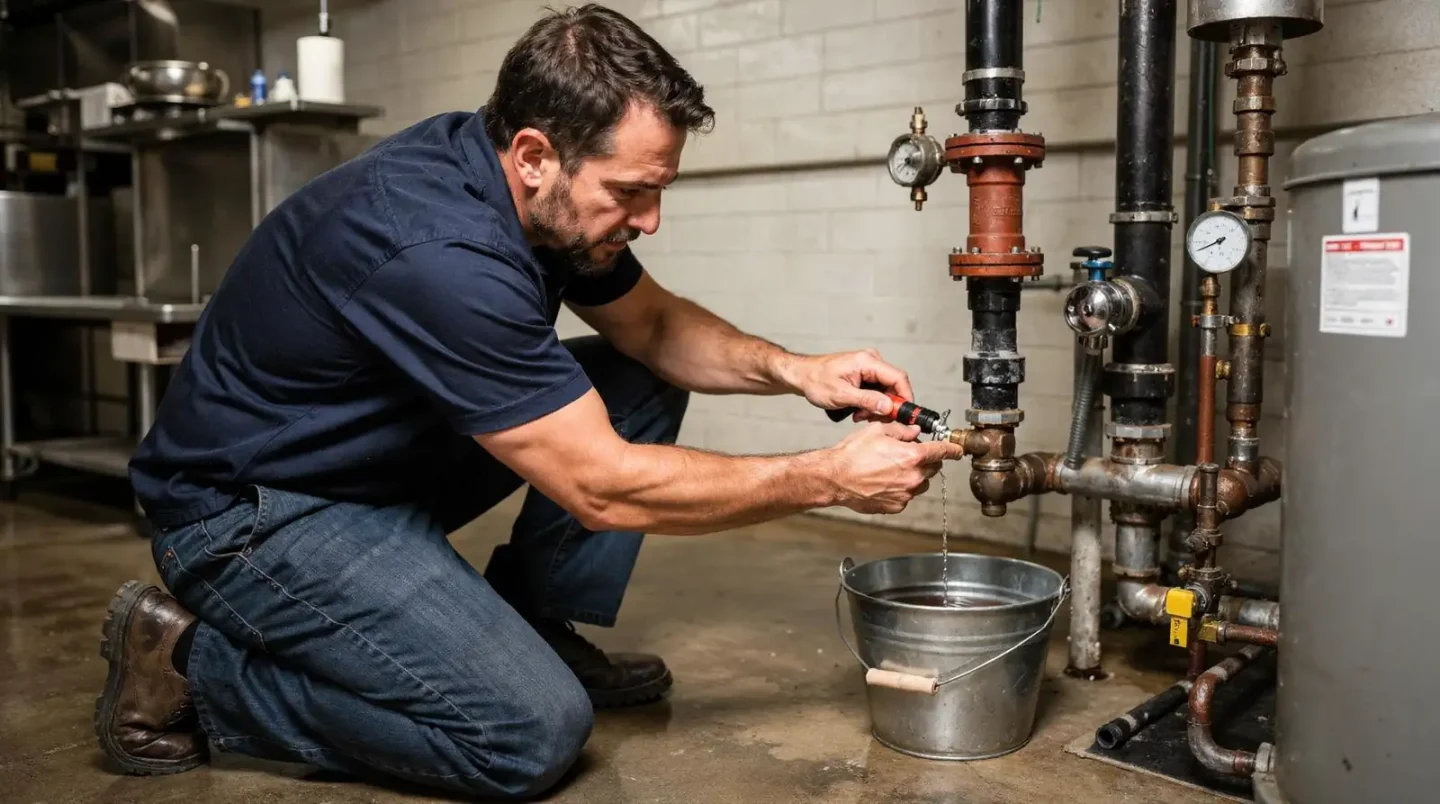
Speed decides everything here. Stopping the flow of water is your very first move in any plumbing emergency, big or small, since every minute you wait adds gallons to the damage. Staying calm pays off — a quick, level-headed response is what saves your floors, walls, and foundation.
Follow these shut-off water steps the moment you spot trouble:
- Locate your home’s main water shutoff valve. It’s typically tucked in the basement, a crawl space, or outside near the water meter.
- Turn the valve clockwise until it stops moving.
- Check nearby fixtures to confirm the water flow has actually stopped.
- If the main valve is stuck or hard to reach, shut off the closest fixture valve instead — under a sink or behind a toilet.
Where Is the Main Shutoff Valve Usually Located?
Most Milwaukee-area homes hide the valve in one of three spots: the basement near the foundation wall, a crawl space, or an outdoor box close to the water meter. Take a few minutes now, before an emergency hits, to walk your property and confirm exactly where yours sits. That little walkthrough becomes priceless when water’s pouring across your kitchen floor at 2 a.m.
These immediate steps in a Milwaukee plumbing emergency apply whether you’re fighting a burst pipe or trying to stop a sewage backup in Milwaukee before it spreads through your basement. A fast shutoff buys you time and cuts down on contamination risk. Discount Drain & Sewer Cleaning is built around keeping water moving safely into your property, and once that valve is closed, we’re ready to finish the job. Reliable emergency service shouldn’t pile surprise costs onto an already stressful night.
What Steps Stop a Sewage Backup Fast?
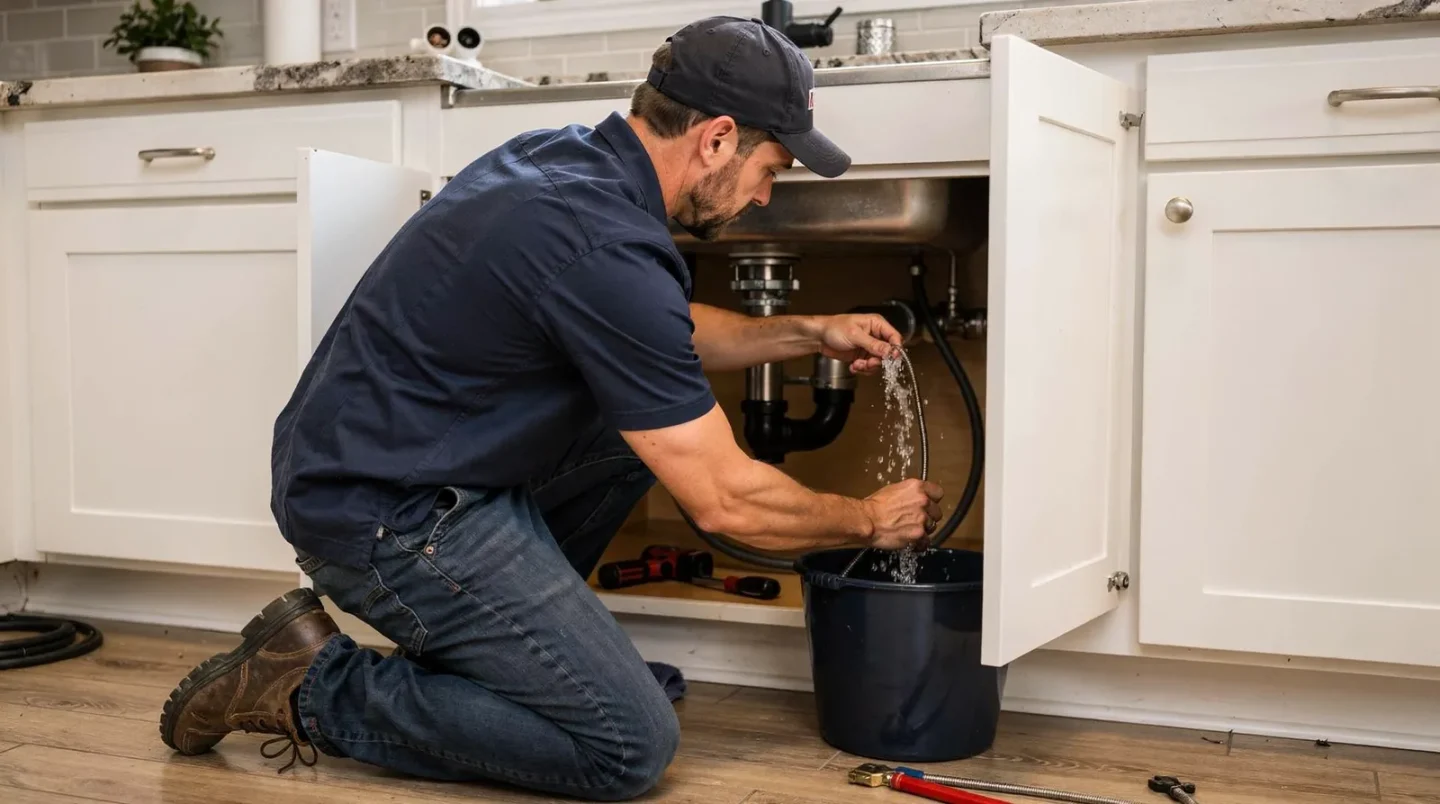
Four steps limit sewage damage before help arrives: stop using all drains, clear the area, protect your valuables, and call a professional. Skip any one of them and wastewater spreads further into your home, soaking floors and furniture. Speed matters more than perfection here.
Follow this sequence the moment you notice sewage backing up into a tub, sink, or floor drain:
- Stop using water immediately. Halt all showers, laundry, and dishwashing so you don’t add volume to the clog.
- Clear people and pets from the affected room. Sewage carries bacteria, so keep contact to a minimum.
- Move furniture, rugs, and electronics away from the water’s path. Every item you save is money kept in your pocket.
- Call a licensed drain and sewer professional. Some backups respond to temporary measures, but serious sewer line problems usually need a trained crew, not a store-bought snake.
Can you fix a sewer backup yourself?
Minor clogs sometimes clear with basic tools, but a true sewer line backup rarely resolves on its own. A DIY fix on a main line issue often pushes waste further back into the house instead of clearing it. Professional crews carry equipment built specifically for stubborn blockages deep in the line.
Why does calling a professional matter so much?
Our crews show up with the tools and hands-on experience needed to clear blockages, restore proper flow, and keep the mess from spreading any further. When drains back up, waiting costs you time and money. Prompt service gets water moving again and protects your property from repeat backups down the road.
How Do You Contain Damage While Waiting?
Four actions protect your home before help arrives: cut power to the water heater, soak up standing water with towels, photograph the damage, and keep valuables off wet floors. These immediate steps during a plumbing emergency in Milwaukee are the difference between mopping up a puddle and replacing drywall.
Once your shut-off water steps are complete, move fast through this sequence:
- Turn off the water heater. Cutting power or gas prevents the unit from heating a tank that’s no longer receiving water, which protects the heater itself.
- Grab towels, not paper towels. Lay them along baseboards and under fixtures to absorb what’s already on the floor.
- Photograph everything. Wet carpet, stained ceilings, warped cabinets — snap pictures before you clean, since insurance adjusters rely on that record.
- Move belongings to dry ground. Rugs, electronics, and furniture legs sitting in water need relocating immediately.
What if sewage is backing up instead of clean water?
Sewage backups demand extra caution, since the water carries contamination. Avoid direct contact with it, keep children and pets out of the affected room, and ventilate the space if you can. Acting fast to stop a sewage backup in Milwaukee limits both water damage and health risk.
Speed matters more than perfection here. Acting quickly during any plumbing emergency limits the damage and keeps repair costs from climbing. Once the crisis is under control, Discount Drain & Sewer Cleaning steps in with honest, budget-friendly pricing and prompt drain and sewer cleaning service to get water flowing safely again.
What Mistakes Make Emergencies Worse?
Panic causes the worst decisions during a plumbing crisis. A burst pipe, overflowing toilet, or leaking water heater gets expensive fast without quick action. Knowing which mistakes to avoid protects your home just as much as knowing what to do.
Follow these guidelines to keep a bad situation from becoming a disaster:
- Don’t freeze up. Take the first immediate steps for a plumbing emergency in Milwaukee homes: locate the source, then move toward the shut-off.
- Don’t guess where your valve is. Learn the correct shut-off water steps for MKE properties before trouble hits, so you’re not searching during a flood.
- Don’t attempt a serious backup alone. Tackling a major clog or sewage issue without the right tools invites more damage, not less.
- Don’t stall on calling for help. Delay lets water spread further into floors, walls, and belongings.
Should you try to fix a sewage backup yourself?
Trying to stop a sewage backup in Milwaukee without proper equipment is one of the most common homeowner mistakes we see. Serious backups demand tools and experience most households simply don’t have on hand. Pushing forward without them often makes the clog worse and spreads contaminated water further into your home.
Does waiting to call a plumber save money?
Waiting rarely saves you a dime. Reliable drain and sewer service comes without surprise costs, so there’s little reason to sit on a growing problem. The longer water sits, the more it costs to repair floors, drywall, and flooring later. Acting fast protects both your property and your wallet.
FAQ
What is the first thing to do in a plumbing emergency?
Shut off your main water valve immediately by turning it clockwise until it stops. This stops flooding at its source and protects your home from further damage.
Where do you typically find the main water shutoff valve?
Milwaukee-area homes usually hide the valve in the basement near the foundation wall, a crawl space, or an outdoor box near the water meter. Locate yours before an emergency strikes.
What should you do if a drain backup threatens your basement?
Shut off water use in the home immediately and call for help right away. Discount Drain & Sewer Cleaning offers fast, budget-friendly response across Milwaukee, Waukesha, and Racine counties.